Separates the water and gas sides
Inside the tank shell, it separates the water from the pre-charged air or nitrogen side, preventing the two from mixing and the pre-charge from being lost.
Product group · Spare Parts
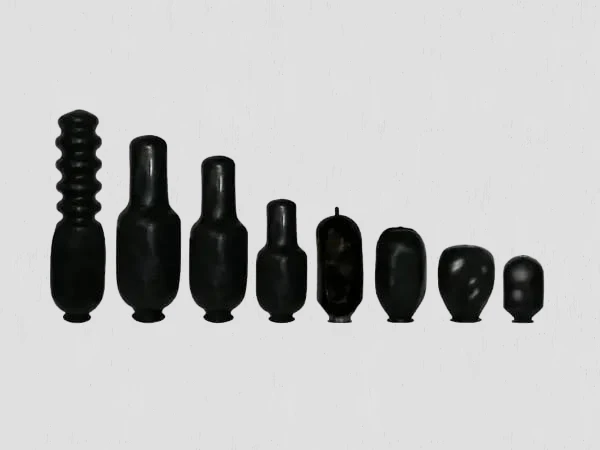
The membrane (diaphragm) is the flexible elastomer part that separates the water side of a closed expansion tank from its pre-charged air/nitrogen side. Over time, pressure and temperature exposure can tear it or make it porous; once that happens, the tank can no longer hold its pre-charge and the system shows frequent air venting or pressure swings. At Denfor Endüstriyel, we supply expansion tank membranes in EPDM, NBR and butyl rubber, from 2 to 5000 liters, matched to brand and model.
Why it matters
It separates the water volume in the tank from its pre-charged air/nitrogen side to keep the system's pressure balance; a torn or hardened membrane needs to be renewed.
Inside the tank shell, it separates the water from the pre-charged air or nitrogen side, preventing the two from mixing and the pre-charge from being lost.
By absorbing thermal expansion in the system, it prevents sudden pressure spikes in the closed loop and protects the pump and equipment.
Different elastomer materials such as EPDM, NBR and butyl rubber are selected according to the tank's operating temperature and pressure range.
A membrane that hardens or tears over time under pressure and temperature should be replaced once it can no longer hold the pre-charge.
Types
All three serve the same separating function; what sets them apart is temperature resistance and gas permeability.
A standard, economical elastomer material widely used on cold and lukewarm water lines.
Offers higher temperature and ozone resistance than NBR, for heating and domestic water lines.
A specialty elastomer preferred in closed systems, with low gas permeability that holds pre-charge pressure longer.
Selection criteria
Selection can't be made without the first two items. The rest determine the material and connection type.
Existing tank's brand/model
Membrane size and connection type are model-specific.
Brand + model
Tank volume (liters)
Determines the membrane's size and shape.
Liters (L)
Connection type
Whether it's a threaded neck or a flanged connection.
Threaded / flanged
Fluid and system temperature
Determines the resistance limit of the elastomer material.
°C
Reason for replacement
Whether it's periodic maintenance or an urgent replacement after pre-charge loss.
Periodic / urgent
Quantity needed
A single tank, or multiple tanks in the boiler room.
Quantity
It's fine if you don't have all of it. We'll fill in the gaps together with you.
Create a quote requestFAQ
The questions we hear most often when quoting expansion tank membranes.
If the tank's pre-charge pressure drops quickly, the system needs frequent air venting, or there are signs of moisture on the tank shell, the membrane is likely torn and replacement is recommended.
Membrane size, connection type (threaded neck or flanged) and mounting method vary by the tank's brand and model, so brand/model information or a nameplate photo is needed to select the right part.
We supply membranes from 2 to 5000 liters, covering everything from small domestic-type expansion tanks to large industrial boiler-room types.
EPDM is preferred on heating lines for its high-temperature and ozone resistance, NBR suits general-purpose water applications, and butyl rubber's low gas permeability makes it the preferred choice for closed systems that need to hold pre-charge pressure longer.
No. While our office is on Istanbul's Anatolian side (Ataşehir), we supply and ship across Istanbul's European side, the surrounding provinces and the Marmara region, and Turkey as a whole — covering your equipment end to end, from a single source.
Next step
Share your existing tank's brand/model and volume, and we'll identify the right membrane together.
Related products
Complementary equipment you may need for your project.